Permitting to Build an ADU in Denver

Building an Accessory Dwelling Unit in Denver is an exciting opportunity for homeowners looking to add space, increase property value, or generate rental income. However, before construction can begin, navigating the permitting process is one of the most important steps. Denver has specific zoning laws, building codes, and approval requirements that must be followed to ensure your ADU is legal and safe.
Understanding how permitting works can help you avoid delays, unexpected costs, and compliance issues. With the right planning and guidance, the process can be straightforward and manageable.
Understanding ADU Zoning in Denver
The first step in the permitting process is confirming that your property is eligible for an ADU. Not all properties in Denver are zoned to allow accessory dwelling units. Zoning regulations determine where ADUs can be built and what types are permitted.
Denver uses zoning designations such as U-SU, U-TU, and other residential district codes. Some of these districts allow ADUs by right, while others may require additional approvals. If your property is not in an ADU-friendly zone, you may need to apply for a zoning variance or rezoning, which can add time and complexity to your project.
In addition to zoning designation, your property must meet certain conditions such as lot size, placement of the structure, and access requirements. These rules ensure that ADUs fit within the character of the neighborhood and do not create issues related to density or infrastructure.
Types of ADUs Allowed in Denver
Denver allows several types of ADUs, and the type you choose will impact the permitting process. Detached ADUs are standalone units built separately from the main home. These often require the most detailed review because they involve new construction.
Attached ADUs are built as additions to the main house, while internal ADUs are created within the existing structure, such as a basement or converted living space. Garage conversions and above-garage units are also common.
Each type must meet specific building and zoning requirements, including height limits, setbacks, and design standards. Understanding these requirements early in the process can help prevent costly revisions later.
The ADU Permitting Process in Denver
Permitting an ADU in Denver involves several steps, each of which plays a critical role in getting your project approved. The process typically begins with research and feasibility. This includes reviewing zoning regulations, evaluating your property, and determining what type of ADU is possible.
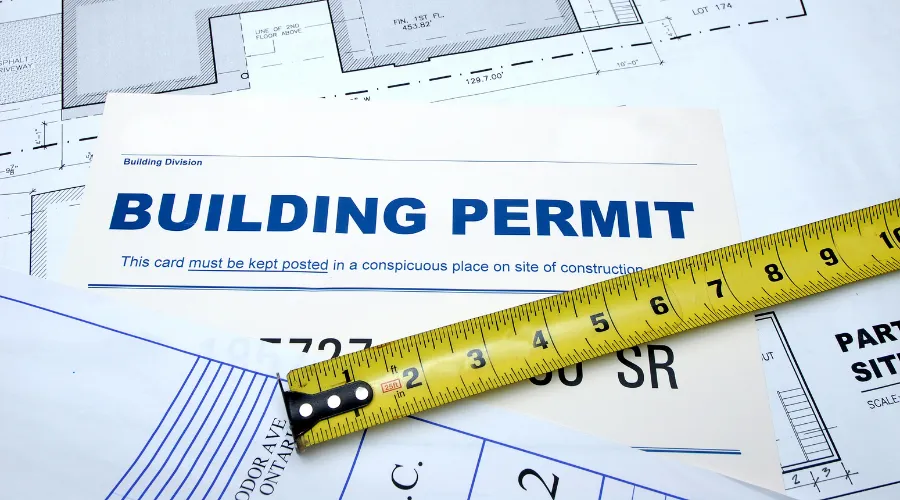
Once feasibility is confirmed, the next step is design and planning. Architectural drawings and site plans must be prepared to show how the ADU will be constructed and how it complies with local codes. These plans are submitted to the city as part of your permit application.
After submission, the city reviews your plans for compliance with zoning, building codes, and safety standards. This review process may involve multiple departments, including zoning, structural engineering, and fire safety.
If any issues are identified, revisions may be required before approval is granted. Once your plans are approved, you will receive a building permit that allows construction to begin. Inspections will take place throughout the construction process to ensure everything is built according to approved plans.
Timeline for ADU Permitting
The permitting timeline for an ADU in Denver can vary depending on the complexity of the project and how prepared your application is. On average, the permitting process takes between two and six months.
Projects that require rezoning or variances may take longer due to additional review and public hearing requirements. Delays can also occur if plans need to be revised or if there are backlogs in the review process.
Working with an experienced builder or design team can help streamline this timeline by ensuring your application is complete and compliant from the start.
Cost of Permitting an ADU
Permitting costs are an important part of your overall ADU budget. In Denver, permit fees typically range from $5,000 to $15,000 depending on the size and scope of the project.
These costs may include plan review fees, building permits, zoning applications, and inspection fees. Additional costs can arise if you need surveys, engineering reports, or utility upgrades to meet city requirements.
While permitting costs may seem high, they are essential for ensuring your ADU is legally approved and built to safety standards.
Why Permitting Matters
Permitting is not just a formality. It ensures that your ADU is safe, structurally sound, and compliant with local laws. Skipping or improperly handling permits can lead to serious consequences, including fines, legal issues, or having to remove the structure.
A properly permitted ADU also protects your investment. It allows you to legally rent the unit, increases property value, and provides peace of mind knowing that the construction meets all safety standards.
Why Work with VL Builders
Building an ADU in Denver requires more than just construction knowledge. It requires an understanding of local zoning laws, permitting requirements, and building codes. VL Builders has experience guiding homeowners through the entire process, from initial planning to final inspections.
By working with a knowledgeable team, you can avoid common pitfalls and ensure your project moves forward efficiently. VL Builders can help coordinate design, handle permitting requirements, and manage construction to deliver a high-quality finished product.
Final Thoughts
Permitting to build an ADU in Denver is a detailed process, but it is a necessary step in creating a successful project. From zoning and design to plan review and inspections, each stage plays a role in ensuring your ADU is safe and compliant.
While the process can take several months, proper planning and professional guidance can help you navigate it with confidence. Understanding what to expect allows you to move forward with clarity and avoid unnecessary delays.
Get Started with VL Builders
If you are planning to build an ADU in Denver, VL Builders is here to help you through every step of the permitting and construction process. Contact the team today to discuss your project, understand your options, and get started on bringing your ADU to life.
Browse and download our free guides and reports.


Recognized & Certified