Building Permit Requirements in Golden, CO
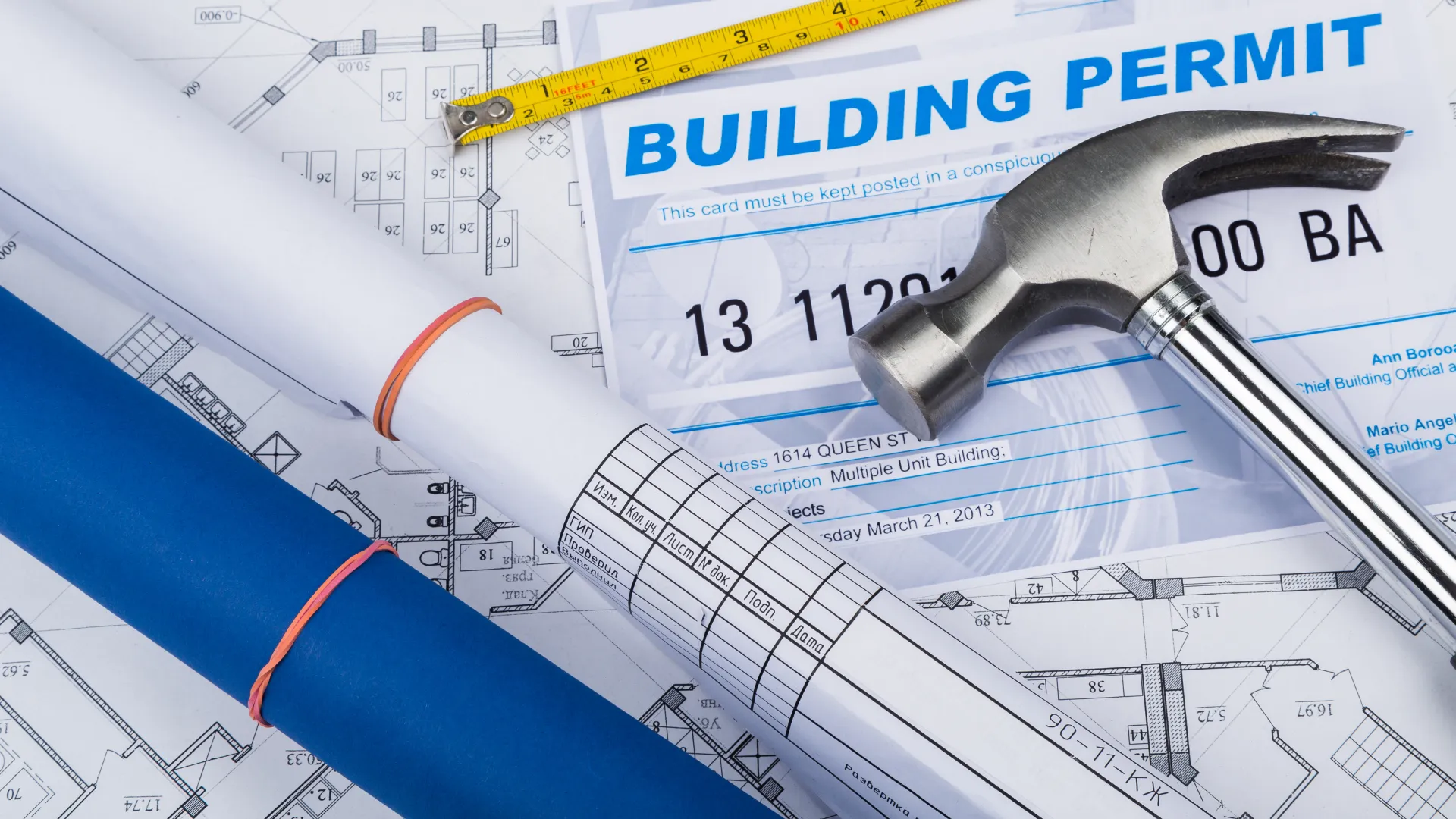
Starting a home remodeling or construction project in Golden, Colorado involves much more than choosing finishes and hiring a contractor. Before work begins, homeowners must understand local building permit requirements, inspection procedures, and city regulations that apply to residential construction projects. Whether you are planning a kitchen remodel, basement finish, bathroom renovation, home addition, or outdoor living upgrade, permits are a critical part of ensuring the work is safe, legal, and code compliant.
At VL Builders, permit coordination is built directly into the project planning process. Simultaneously, the Production Supervisor initiates the necessary permits, finalizes the construction schedule with subcontractors including plumbers, electricians, and HVAC professionals, and coordinates project-related material orders. Once plans, scheduling, and delivery timelines are finalized, the team conducts a detailed pre-construction walkthrough with the homeowner before construction officially begins.
Why Building Permits Are Important
Building permits are designed to protect homeowners and ensure that construction work complies with local building codes and safety standards. Permits also create an official record of improvements completed on the property, which can become important during future home sales, refinancing, or insurance claims.
Without proper permits, homeowners can face major issues. Projects completed without approval may lead to fines, failed inspections, stop-work orders, or complications when selling the property. Insurance companies may also deny claims related to unpermitted construction work. In some cases, improperly completed work may need to be removed and rebuilt to meet code requirements.
Golden and surrounding Jefferson County communities enforce permit requirements to ensure structural integrity, fire safety, plumbing compliance, electrical safety, and energy efficiency standards are met throughout residential construction projects.
Projects That Typically Require Permits in Golden
Many remodeling projects in Golden require permits, especially when the work involves structural changes, mechanical systems, plumbing, or electrical updates. Most major home renovations require review and approval before construction begins.
Common residential projects requiring permits include kitchen remodels, bathroom remodels, basement finishes, room additions, garage conversions, deck construction, roofing replacements, HVAC installations, window enlargements, and structural wall modifications. (jeffco.us)
Electrical permits are required for projects involving panel upgrades, new circuits, rewiring, added outlets, lighting installations, or other electrical modifications. Plumbing permits are typically required when relocating fixtures, replacing water lines, modifying drain systems, or installing gas piping. Mechanical permits apply to furnace replacements, air conditioning systems, ductwork changes, and ventilation upgrades.
Outdoor projects often require permits as well. Decks above certain height thresholds, detached garages, sheds exceeding allowable square footage, patio covers, retaining walls, and additions generally require city approval before work begins.
Projects That May Not Require Permits
Some smaller cosmetic projects may not require permits in Golden. Homeowners can often complete painting, flooring replacement, cabinet installation in the same location, countertop replacement, or fixture swaps without obtaining city approval.
Minor repairs that do not involve structural, electrical, plumbing, or mechanical changes are commonly exempt. However, the line between cosmetic work and permit-required work can become unclear quickly. Even a simple bathroom update may require permits if plumbing lines or electrical wiring are modified.
Because requirements vary depending on project scope, homeowners should consult with an experienced contractor before assuming permits are unnecessary.
Understanding the Permit Application Process
The permit process begins with planning and documentation. Contractors prepare project drawings, specifications, site plans, and supporting documents required by the local building department. Depending on the size and complexity of the project, submissions may include structural engineering documents, floor plans, energy compliance forms, and trade-specific information.
Many Colorado municipalities now use digital permit submission systems that allow contractors to upload plans, submit revisions, schedule inspections, and track approvals online. Westminster’s eTRAKiT system is one example of how local jurisdictions have modernized permitting processes. (westminsterco.gov)
After submission, city reviewers examine the plans for compliance with zoning requirements, residential building codes, fire safety regulations, and structural standards. Review timelines vary depending on project complexity and revision requirements. Larger projects such as additions or ADUs typically require longer review periods than smaller remodels.
Once permits are approved and issued, construction may begin.
Inspections During Construction
Inspections are one of the most important parts of the permit process. City inspectors review the work at different stages of construction to ensure it complies with approved plans and current building codes.
Depending on the project scope, inspections may include foundation inspections, framing inspections, rough electrical inspections, plumbing inspections, insulation inspections, HVAC inspections, and final completion inspections.
For example, during a basement finish, framing and rough mechanical inspections occur before drywall is installed. Electrical and plumbing systems must be approved before walls are closed up. Final inspections occur after all fixtures, finishes, and safety systems are complete.
Inspections protect homeowners by ensuring construction work is completed properly and safely. They also help catch potential issues before they become expensive long-term problems.
Kitchen Remodeling Permit Requirements
Kitchen remodels are among the most common projects requiring permits in Golden. While cosmetic upgrades may not require approval, most full kitchen renovations involve electrical, plumbing, or structural modifications that require permits.
Relocating sinks, adding appliances, moving gas lines, upgrading lighting, expanding layouts, or removing walls generally require city review and inspections. Even installing additional outlets or modifying ventilation systems may trigger permit requirements.
Contractors familiar with Colorado permitting requirements can help homeowners determine which portions of the remodel require approval and ensure the project complies with local codes.
Bathroom Remodeling Permit Requirements
Bathroom remodels frequently require multiple permits because they often involve plumbing, electrical, and ventilation upgrades. Relocating showers, toilets, or vanities typically requires plumbing permits, while new lighting, heated floors, or electrical outlets require electrical permits.
Mechanical permits may also be necessary when adding or modifying exhaust ventilation systems. Structural changes involving walls or layout modifications typically require building permits as well.
Professional permit coordination helps prevent delays and ensures inspections are completed in the correct sequence throughout the remodel.
Basement Finishes and Home Additions
Basement finishing projects and home additions typically involve more extensive permitting and review requirements. Finished basements must meet current code standards for ceiling heights, emergency egress, smoke detectors, insulation, and ventilation.
If the basement includes new bedrooms, additional reviews may be required to confirm compliance with occupancy and safety requirements.
Home additions require even more detailed review because they impact the home’s footprint, structural systems, setbacks, and utility connections. Additions often require engineering documents and multiple phases of inspections throughout construction.
Permit Timelines and Project Scheduling
Permitting timelines can significantly affect overall construction schedules. Delays in approvals may impact subcontractor availability, material deliveries, and project start dates. Proper planning helps minimize downtime and keeps projects moving efficiently.
At VL Builders, permit coordination is integrated directly into the project management process. While permits are under review, the Production Supervisor works simultaneously to finalize schedules with electricians, plumbers, HVAC contractors, and suppliers. Material ordering and delivery timelines are coordinated early to avoid unnecessary delays once permits are approved.
After approvals are finalized, the team conducts a pre-construction walkthrough with the homeowner to review timelines, logistics, expectations, and project details before work begins.
Start Your Golden Remodeling Project With Confidence
Whether you are planning a kitchen remodel, bathroom renovation, basement finish, or home addition, working with an experienced contractor can make the process far less stressful. VL Builders helps homeowners navigate permits, inspections, scheduling, and construction planning from start to finish, creating a streamlined process that keeps projects on track and built to last. Contact us today to get started!
Browse and download our free guides and reports.


Recognized & Certified