Cost of Basement Finishing in Colorado
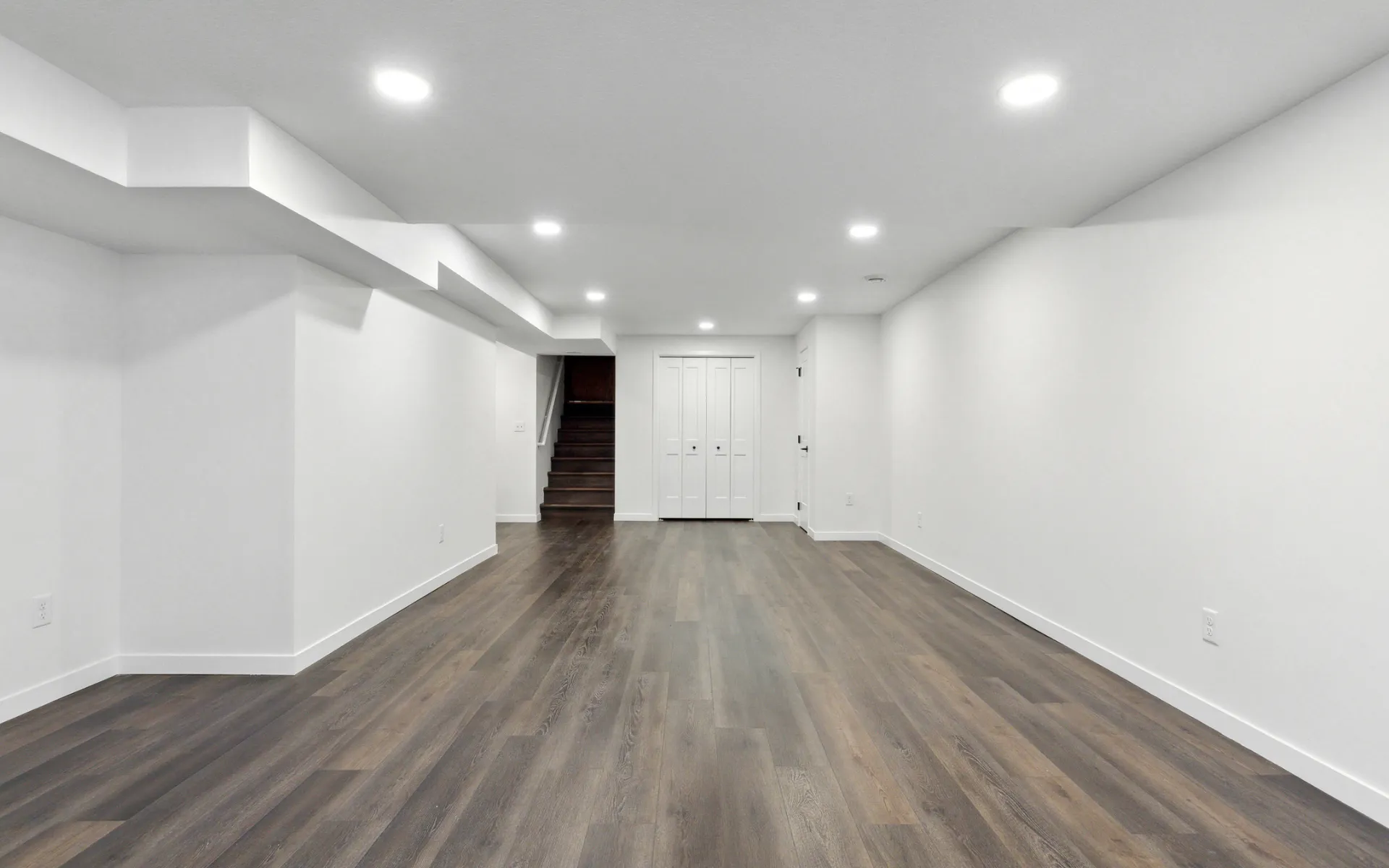
An unfinished basement can represent hundreds or even thousands of square feet of unused potential. For Colorado homeowners who need more room but do not necessarily want to move or build an addition, finishing the basement can create valuable living space within the home's existing footprint.
While every project is different, homeowners can generally expect basement finishing costs to fall between approximately $45 and $100 or more per square foot, depending on the size of the basement, existing conditions, layout, features, and level of finishes. A straightforward basement with an open layout will typically cost less than a custom lower level featuring bedrooms, bathrooms, a wet bar, built-ins, or entertainment spaces.
Understanding what influences basement finishing costs can help you establish a realistic budget before beginning your project. VL Builders is here to help every step of the way!
How Much Does It Cost to Finish a Basement in Colorado?
For many Colorado homeowners, a basic or mid-range basement finishing project can start around $45 to $75 per square foot, while more customized projects can reach $75 to $100 per square foot or more.
Using those figures as a general planning range, finishing a 500-square-foot basement could cost approximately $22,500 to $50,000. An 800-square-foot basement could fall around $36,000 to $80,000, while a 1,000-square-foot basement could range from approximately $45,000 to $100,000 or more.
Larger, luxury basement renovations can easily exceed these ranges. Adding a full bathroom, custom bar, guest suite, theater, fireplace, specialty lighting, custom cabinetry, or other high-end features can push the total project well beyond $100,000.
These numbers should be viewed as starting points rather than guaranteed estimates. The best way to understand the cost of your specific basement is to have a professional evaluate the space and discuss your plans.
Basement Size Has a Major Impact on Cost
Square footage is naturally one of the largest factors affecting the cost of basement finishing in Colorado.
A 500-square-foot basement requires fewer materials and less labor than a 1,500-square-foot lower level. Larger basements require additional framing, insulation, drywall, flooring, electrical work, lighting, trim, and paint.
However, cost does not always increase proportionally with square footage.
A smaller basement containing a bathroom, wet bar, and custom entertainment area could cost more per square foot than a large basement with an open family room and basic finishes. This is why homeowners should consider both square footage and project scope when creating a budget.
Adding a Basement Bathroom Increases the Budget
A bathroom is one of the most popular additions to a finished basement, particularly when homeowners plan to include a guest bedroom or entertainment area.
It is also one of the features most likely to increase the overall cost.
Basement bathrooms require plumbing, electrical work, ventilation, waterproofing, fixtures, flooring, cabinetry, and finishes. If plumbing connections are already located near the proposed bathroom, installation may be relatively straightforward. Moving or adding substantial plumbing infrastructure can increase labor and construction costs.
The type of bathroom also matters. A simple powder room will generally cost less than a full bathroom featuring a tiled shower, double vanity, premium fixtures, and custom finishes.
Bedrooms May Require Egress Improvements
Turning part of your basement into a bedroom can add valuable flexibility to your home. A basement bedroom might serve as a guest suite, teenager's room, or private space for extended family.
However, homeowners need to account for building and safety requirements when planning the project.
Basement bedrooms generally require code-compliant emergency escape and rescue openings. Depending on your home's existing basement windows, creating a compliant bedroom may require installing or modifying an egress window and window well.
That additional work should be included in the project's overall budget rather than treated as an afterthought.
Wet Bars and Kitchenettes Can Raise Basement Finishing Costs
Colorado homeowners frequently use finished basements as entertainment spaces, making wet bars and kitchenettes popular upgrades.
A simple dry bar with cabinetry and countertops may be relatively affordable compared with a fully equipped wet bar. Once plumbing, sinks, refrigerators, beverage coolers, dishwashers, electrical circuits, tile, custom cabinetry, and premium countertops are introduced, costs can increase quickly.
Homeowners who frequently entertain may find these features worthwhile. A basement bar can turn an underused lower level into a gathering space that feels like a natural extension of the main floor.
The important part is incorporating these features into the design and budget from the beginning.
Flooring Choices Affect Your Final Price
Flooring represents another significant variable in basement finishing costs.
Luxury vinyl plank is popular in Colorado basements because it can provide durability, style, and relatively easy maintenance. Carpet is another common choice, particularly for family rooms, bedrooms, and play areas where homeowners want additional warmth and comfort.
Tile may work well in bathrooms, bars, laundry areas, and other spaces where moisture resistance is important.
Premium flooring materials, complex installation patterns, or significant preparation of the existing concrete slab can increase the total cost.
Choosing flooring based on both appearance and basement conditions can help homeowners get better long-term performance from their investment.
Custom Features Can Transform the Basement
A basic finished basement might include drywall, flooring, recessed lighting, and an open recreation area. A custom basement can become something entirely different.
Home theaters, gyms, offices, game rooms, wine storage, fireplaces, custom built-ins, bars, guest suites, and children's play areas can transform a basement into one of the most frequently used parts of the home.
These features also affect the budget.
Custom cabinetry, specialty lighting, soundproofing, upgraded electrical systems, plumbing, premium flooring, and detailed finish carpentry all require additional materials and labor.
When planning your basement, it can help to separate must-have features from nice-to-have upgrades. This allows you to prioritize the improvements that will have the greatest impact on how your family uses the space.
Existing Basement Conditions Matter
Two basements of identical size can have very different finishing costs because of their existing conditions.
Before construction begins, contractors need to evaluate factors such as moisture, foundation conditions, ceiling height, insulation, electrical systems, plumbing locations, HVAC access, and existing windows.
Moisture concerns should always be addressed before installing drywall, flooring, cabinetry, or other finished materials. Likewise, structural or mechanical issues discovered during planning may need to be corrected before cosmetic work begins.
Addressing these concerns early can help protect your investment and reduce the risk of costly repairs later.
Permits Should Be Included in Your Basement Budget
Basement finishing projects commonly require permits and inspections, although specific requirements and fees depend on the Colorado municipality where the home is located.
Electrical, plumbing, structural, and mechanical work may require additional permits or inspections depending on the scope of the project.
Permitting should be treated as a normal part of professional basement finishing rather than an optional expense. Proper permits and inspections help ensure the renovation complies with applicable building and safety requirements.
Requirements can vary between Denver, Aurora, Arvada, Lakewood, Golden, and other Colorado communities, making local experience particularly valuable when planning a basement renovation.
Is Finishing a Basement Worth the Investment?
For many Colorado homeowners, finishing a basement can be an effective way to gain usable square footage without changing the footprint of the house.
Instead of constructing an entirely new addition, homeowners can transform space that already exists beneath their home. Depending on the layout, a basement can become a family room, home office, gym, guest suite, entertainment space, or combination of several uses.
The value is not exclusively financial. A finished basement can solve everyday space limitations and allow homeowners to remain in a home and neighborhood they already enjoy.
Thoughtful design is especially important. A basement that feels bright, comfortable, and connected to the rest of the home will generally provide a better everyday experience than a space that simply looks "finished."
Plan Your Colorado Basement Finishing Project With VL Builders
The cost of basement finishing in Colorado ultimately depends on what you want your lower level to become. Square footage provides a useful starting point, but bathrooms, bedrooms, egress requirements, plumbing, custom cabinetry, flooring, lighting, and overall finish quality can all influence the final investment.
Working with an experienced remodeling company can help you determine which improvements make sense for your home and budget.
VL Builders helps Colorado homeowners turn unfinished and outdated basements into comfortable, functional spaces designed around the way they live. From initial planning and layout decisions to material selections and construction, the team can guide you through the basement finishing process and help you understand where your budget will have the greatest impact.
If you are considering finishing your basement, contact VL Builders to discuss your ideas, explore your options, and receive a project estimate tailored to your Colorado home.
Browse and download our free guides and reports.


Recognized & Certified