ADU vs. Home Addition in Jefferson County: How to Start the Right Conversation
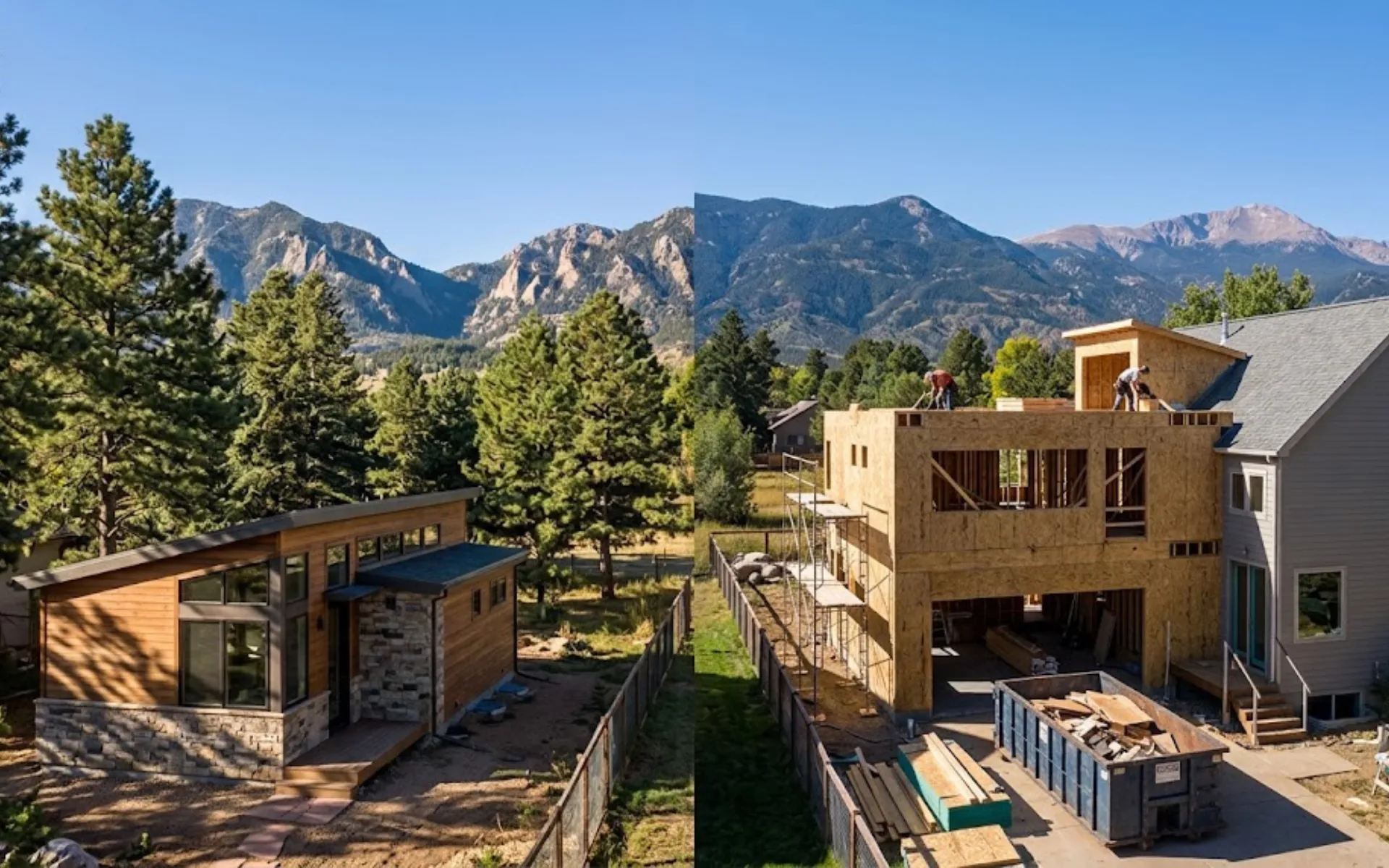
The right choice between an ADU (accessory dwelling unit) and a home addition in Jefferson County comes down to how you intend to use the space, not just how much space you need. An ADU and a home addition both add square footage to your property, but they serve different purposes, follow different rules, and require different conversations with your builder, your county, and your household. In Jefferson County, where lot sizes vary from small mountain lots in Evergreen to larger suburban parcels in Lakewood and Arvada, local zoning and site conditions often drive the decision before personal preference enters the picture. This guide walks through the key differences and helps you start the right conversation with your family and your design-build contractor.
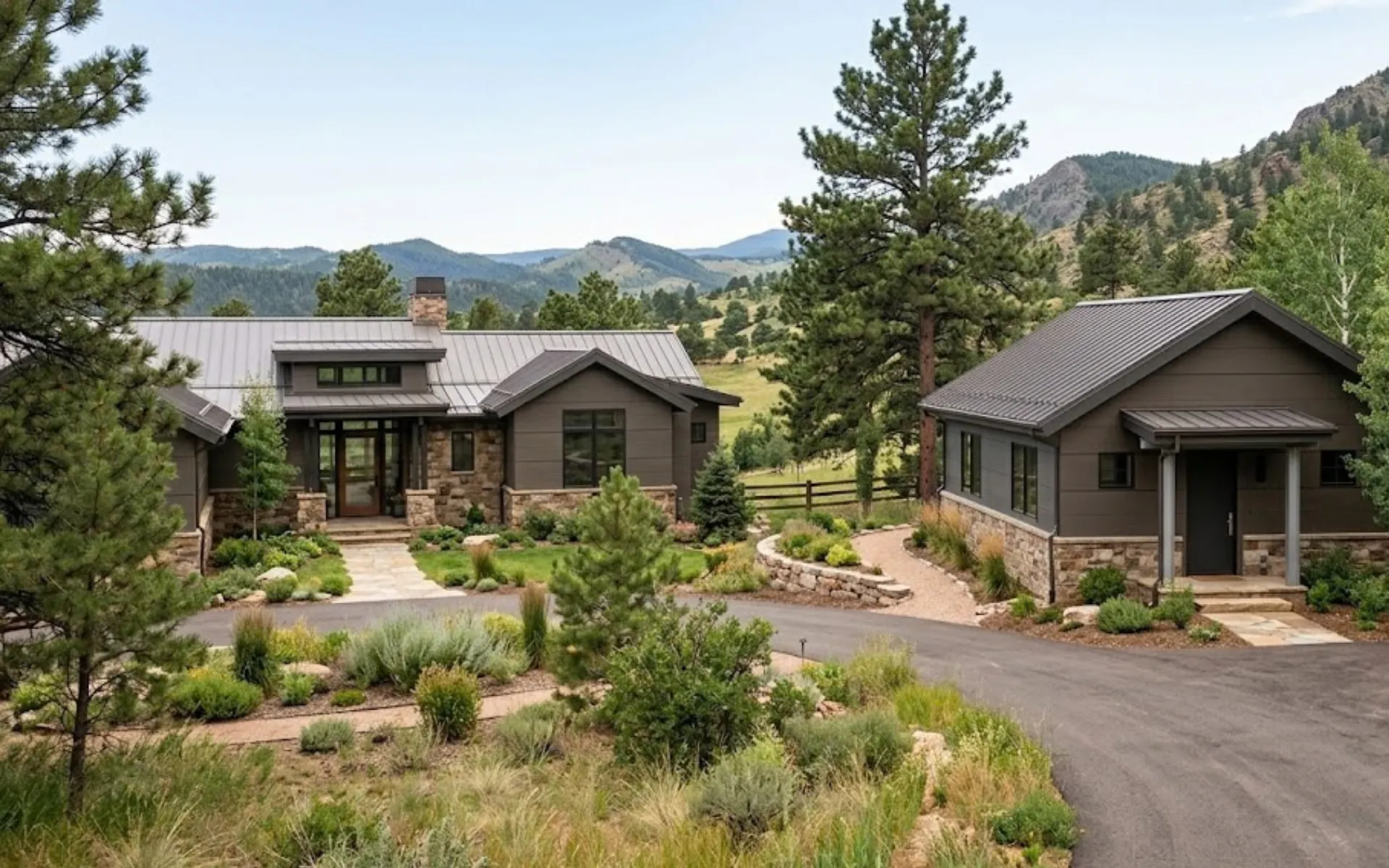
What Is the Difference Between an ADU and a Home Addition in Jefferson County?
An ADU is designed as a separate living unit with its own kitchen, bathroom, sleeping area, and living space. Depending on the property and local regulations, it may be attached to the primary home or built as a detached structure. A home addition, on the other hand, expands the primary residence and remains part of the main household.
The biggest difference is how the new space will be used. An ADU can provide more independence and privacy for aging parents, adult children, guests, or tenants. A home addition may be a better fit when the goal is to create a larger kitchen, primary suite, home office, family room, or other space that connects directly to everyday life in the main home.
The permitting and zoning requirements can also differ. Because an ADU functions as an additional dwelling unit, it may be subject to requirements related to lot size, setbacks, parking, owner occupancy, and other local regulations. A home addition follows the requirements that apply to expanding the existing residence. Either option may also affect the property's assessed value, making it important to understand the full scope before deciding which direction to take.
When Does a Home Addition Make More Sense Than an ADU?
A home addition works best when the goal is to expand your existing living space in a way that stays connected to the main home. Consider an addition when you need a larger kitchen, a primary suite with walk-in closet and bathroom, a home office that is part of the daily family zone, or a family room that opens to the rest of the house. Additions also make sense when the lot cannot support a separate structure due to setbacks, utility placement, or slope.
In Jefferson County, home additions do not require owner-occupancy for the permit, and they are generally easier to finance through a standard home equity loan or construction mortgage since the appraised value increase directly reflects the added square footage. The construction process is familiar to most builders. The timeline for a typical 400 to 800 square foot addition in Jefferson County ranges from 4 to 8 months depending on scope, weather, and county review times.
When Does an ADU Make More Sense Than a Home Addition?
An ADU makes sense when the primary goal is creating a separate, self-contained living space. The most common scenarios in Jefferson County include multi-generational housing, where aging parents or adult children need independence but proximity. Rental income is another driver. A detached ADU in Lakewood or Golden can generate $1,500 to $2,800 per month in rent, which helps offset the construction cost over time.
ADUs also work well on larger lots where a separate structure does not crowd the setback lines. Jefferson County allows ADUs on lots that meet minimum size requirements, typically at least 6,000 square feet, though specific zoning districts may vary. Owner-occupancy is required in some Jefferson County jurisdictions, meaning the property owner must live in either the primary home or the ADU. This rule prevents the lot from being used exclusively as a rental property. Check with the Jefferson County Planning and Zoning Department for the current requirements specific to your address and zoning district.
How Do Lot and Site Conditions Affect the Choice in Jefferson County?
Site conditions can narrow your options before the design process even begins. If the property uses a septic system, adding another kitchen, bathroom, or sleeping space may require an evaluation of the existing system and whether it can support the proposed project. Properties served by a well may also require additional review to determine whether the water supply can accommodate the planned space.
Slope is another important consideration, particularly on foothill properties. Both additions and detached ADUs may require additional foundation, drainage, or structural planning on a steep site. A detached ADU may sometimes be positioned on a more suitable part of the property, while an addition has to work with the location and structure of the existing home.
Lot size, setbacks, and utility access can also influence what is feasible. Smaller lots may have fewer options for a detached structure, while additions still have to comply with the applicable setback and lot-coverage requirements. Utility connections should also be evaluated early because the distance from existing water, sewer, electrical, or other services can affect the scope of either project. A site survey and early zoning review can help identify these limitations before design moves forward.
How Do Jefferson County Permitting Requirements Compare?
Jefferson County treats ADUs and home additions under different sections of the zoning and building code. Home additions follow standard residential building permit requirements: stamped structural plans, energy code compliance, and building inspections at each phase. ADUs go through a broader review that includes zoning compliance for lot size, setbacks, parking, and owner-occupancy, plus the same structural and energy reviews as an addition.
In unincorporated Jefferson County, ADUs require a zoning clearance letter before a building permit can be issued. The county reviews the lot against the minimum ADU standards, which include a minimum lot size of 6,000 square feet, maximum ADU size of 840 square feet (or 50 percent of the primary dwelling, whichever is less), and a requirement that the property owner occupy at least one of the two dwellings. Home additions in unincorporated Jeffco are zoned by-right on lots that meet the minimum lot size for the zoning district, meaning no special review is needed beyond the building permit.
The timeline difference can be significant. A home addition permit in Jefferson County typically takes 4 to 8 weeks for plan review and approval. An ADU permit can take 8 to 16 weeks because of the additional zoning review step. Factor these timelines into your planning, especially if you are targeting a specific completion date.
How Should You Start the Conversation With Your Builder?
The best first step is to have a clear picture of how the space will be used, who will use it, and how it connects to your long-term goals for the property. Before you contact a builder, write down the answers to four questions:
- Who will use the space? Family member, tenant, guests, or a combination?
- Does it need to be self-contained? A separate kitchen and bath, or just more room in the main house?
- What is your budget range? Including design, permits, site work, and contingency.
- How soon do you need the space finished? Is there a family event or a lease timeline driving the schedule?
Once you have those answers, a design-build consultation can assess your lot, review the Jefferson County zoning map for your address, and compare the feasibility of both options. VL Builders works with Jefferson County homeowners regularly and can walk through the site conditions, permit requirements, and budget implications for both an ADU and a home addition during a single discovery meeting.
Frequently Asked Questions
Can I build an ADU on any lot in Jefferson County?
No. Jefferson County requires a minimum lot size of 6,000 square feet for ADUs in most unincorporated areas. Individual municipalities within Jefferson County, such as Lakewood, Golden, and Arvada, have their own ADU ordinances that may differ. Check with your local planning department for your specific address.
Does Jefferson County require owner-occupancy for ADUs?
In unincorporated Jefferson County, yes. The property owner must live in either the primary home or the ADU. Some municipalities within the county have similar requirements. Verify the rule for your specific jurisdiction before planning a rental-only ADU.
Can I add a kitchen to a home addition to make it an ADU later?
Not without going through the ADU permitting process. Adding a kitchen to what was permitted as a home addition would trigger a zoning review and require compliance with ADU standards. If you think you might want an ADU in the future, it is more cost-effective to permit it as an ADU from the start.
Do ADUs and home additions have the same property tax impact in Jefferson County?
The Jefferson County Assessor reassesses the property after either type of construction is complete. The tax increase reflects the added value. ADUs that generate rental income may also affect the property's income-based valuation, though this varies by how the county classifies the dwelling.
How much does an ADU cost compared to a home addition in Jefferson County?
Costs vary significantly by size, scope, site conditions, and finish level. In general, a detached ADU in Jefferson County costs $200 to $350 per square foot including site work, utilities, and permits. A home addition typically costs $180 to $300 per square foot because it shares existing utility connections and foundation. Site-specific factors like septic capacity or slope engineering can narrow or reverse this gap.
Can I build both an ADU and a home addition on the same property?
In theory, yes, if the lot meets the minimum size requirements for both structures and the combined square footage stays within the county's density limits. In practice, this is a significant project that requires careful planning and coordination with Jefferson County Planning and Zoning. Start with a single project and evaluate the feasibility of a second phase later.
Which option adds more resale value in Jefferson County?
Both add value, but in different ways. A well-designed home addition adds directly to the livable square footage and typically recovers 50 to 70 percent of its cost at resale, depending on the type of addition. An ADU adds both square footage and income potential, which can appeal to a broader range of buyers. In Jefferson County, ADUs are still relatively new, so the resale data is still developing compared to the established home addition market.
Start With the Right Plan for Your Jefferson County Property
Choosing between an ADU and a home addition starts with understanding how you want to use the space and what your property can realistically support. Lot size, zoning requirements, site conditions, utilities, privacy, and long-term goals can all influence which option makes more sense.
An ADU may be a better fit when you need a separate, self-contained living space, while a home addition can work well when the goal is to expand the main home. Evaluating these factors early can help you avoid designing a project that does not fit the property or your needs.
If you are considering an ADU or home addition in Jefferson County, contact VL Builders to discuss your goals, property conditions, and next steps.
Browse and download our free guides and reports.


Recognized & Certified