How to Plan a Whole-Home Remodel in Colorado: Scope, Phasing, and Temporary Living

Planning a whole-home remodel in Colorado is an opportunity to improve how your home looks, feels, and functions. Whether you're updating an older property, changing the layout, or renovating multiple spaces, a successful remodel starts with thoughtful planning.
From defining your renovation priorities to coordinating construction phases and deciding where you'll live during the project, several decisions can influence your budget and timeline. Understanding these considerations early can help you prepare for the remodeling process.
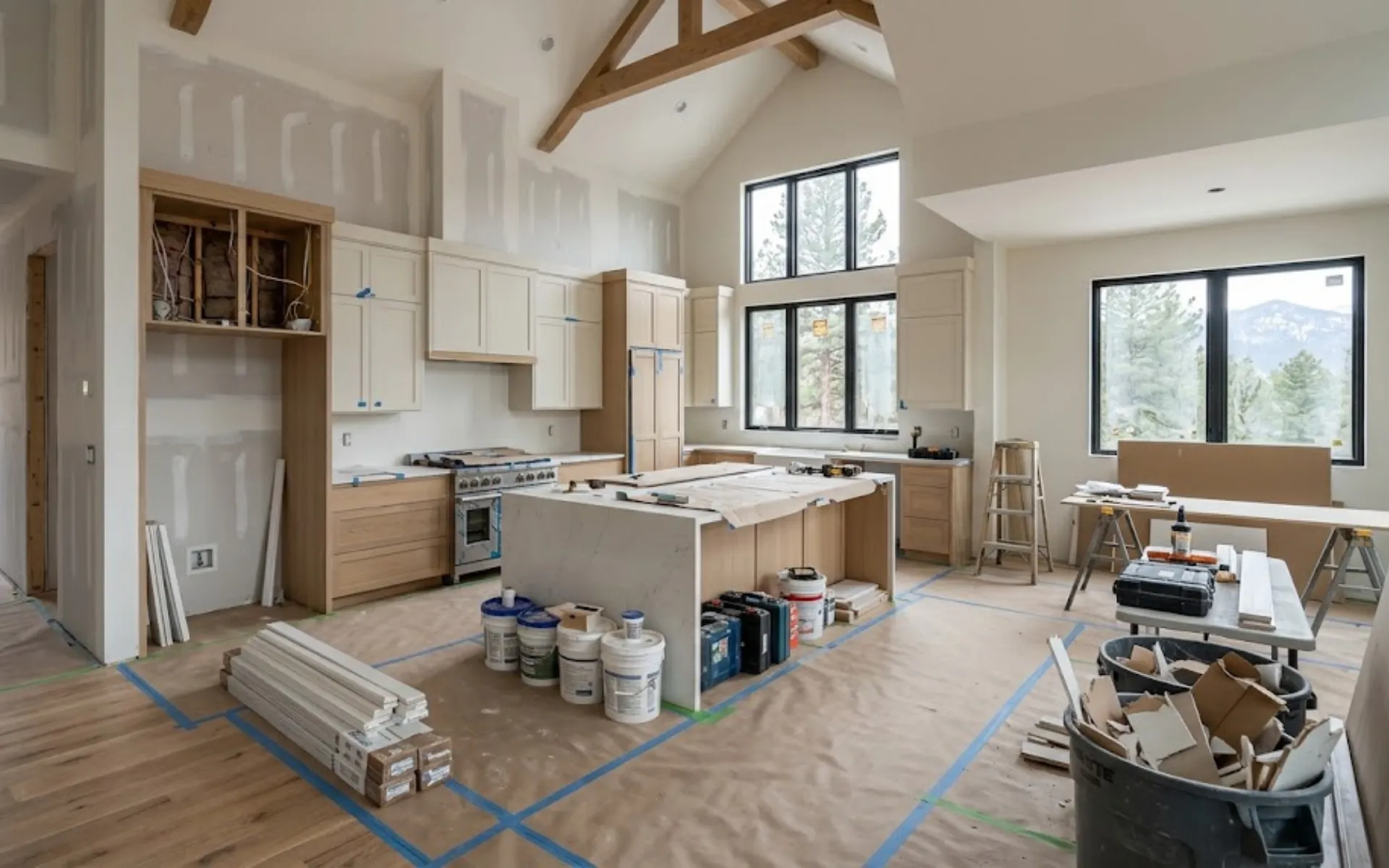
What Is a Whole-Home Remodel?
A whole-home remodel involves updating multiple areas of a house, often including changes to layouts, finishes, and essential systems such as plumbing, electrical, or HVAC.
This approach may make sense when several parts of your home need improvements. For example, an outdated kitchen, inefficient floor plan, aging systems, and bathrooms that no longer meet your needs may be easier to address as part of one coordinated project.
However, if your main concern is limited to one area, a smaller renovation may be more practical.
Explore VL Builders' whole-home renovation services, kitchen remodeling, and primary bathroom remodeling to learn more about different project options.
How Do You Set Priorities and Define Your Remodeling Scope?
Before selecting materials or finishes, identify what you want to change about your home.
Consider how your household uses each space, which areas no longer function well, and what improvements would make the biggest difference in everyday life.
Ask yourself:
- Which rooms need the most attention?
- Are there layout, storage, lighting, or accessibility problems?
- Do plumbing, electrical, or heating and cooling systems need updates?
- Which improvements are essential, and which are optional?
Establishing these priorities helps your design team create a realistic scope and identify where adjustments may be necessary to accommodate your budget.
Documenting your decisions and finalizing major selections early can also help reduce unexpected changes during construction.
What Existing Conditions Should You Evaluate Before Remodeling?
Understanding your home's existing condition is an important part of planning a whole-home renovation.
Older properties may have structural limitations, outdated systems, or hidden issues that influence the project scope and budget.
Important areas to evaluate include:
- Structure: Load-bearing walls, floor framing, and existing structural connections.
- Plumbing and electrical: System capacity, age, and the possibility of relocating fixtures or outlets.
- Heating and cooling: Whether existing HVAC equipment can accommodate layout changes.
- Moisture and insulation: Past leaks, water damage, ventilation, and energy efficiency.
- Older building materials: Homes built before 1978 may contain lead-based paint, requiring additional precautions during renovation.
The EPA recommends lead-safe renovation practices when working on older homes where lead-based paint may be present.
A professional site evaluation can help identify potential concerns before construction begins. For related considerations, explore our guide to remodeling an older Denver-area home.
Should You Remodel Your Entire Home at Once or in Phases?
One of the biggest decisions is whether to complete the renovation all at once or divide the work into stages.
Remodeling All at Once
Completing the entire project together allows the design and construction teams to coordinate work across multiple spaces.
This approach may reduce repeated disruptions and make it easier to create a consistent design throughout the home. However, extensive construction may require you to temporarily relocate.
Remodeling in Phases
A phased renovation divides the project into sections, such as remodeling the kitchen first and completing bathrooms or living spaces later.
This approach may allow you to remain in part of the house during construction, but it can extend the overall renovation timeline and create repeated disruptions.
Whichever approach you choose, developing a complete remodeling plan early helps ensure individual phases work together.
Should You Live at Home During a Whole-Home Remodel?
Temporary living arrangements are an important consideration when planning a large renovation.
Depending on the scope of work, certain areas of your home may become unavailable during demolition, construction, or installation.
If you plan to remain at home, consider:
- Whether you'll have access to a functioning kitchen and bathroom.
- How dust, noise, and construction activity will affect your routine.
- Whether children, pets, or work-from-home arrangements need special accommodations.
- Which areas of the house can remain safely separated from construction.
For more extensive projects, temporarily relocating may be the more practical option.
Discuss the expected construction schedule with your builder and plan for potential adjustments caused by material delays, inspections, or unexpected conditions.
How Do Permits and Material Selections Affect Your Timeline?
Material selections and building approvals can influence when construction begins and how the project progresses.
Cabinets, windows, fixtures, and specialty materials may have extended ordering timelines. Finalizing important selections before construction can help prevent scheduling conflicts.
Permitting requirements also vary throughout Colorado. Projects involving structural modifications, layout changes, or major system updates may require building permits and inspections.
For example, the City and County of Denver outlines permit requirements for residential remodeling, while Lakewood provides building and construction permit resources.
Homeowners can also explore VL Builders' guides to building permit requirements in Denver and Lakewood.
Confirm current requirements with your local building department and establish a communication plan with your builder for project updates and changes.
What Should You Look for When Hiring a Whole-Home Remodeling Contractor?
Choosing the right contractor is an important part of planning a whole-home renovation.
Look for a remodeling company that can clearly explain its design process, project scope, pricing structure, and communication expectations.
Before signing a contract, confirm:
- What work is included and excluded from the proposal.
- How allowances and material selections are handled.
- Who manages permits, inspections, and scheduling.
- How unexpected changes are priced and approved.
- Who will provide updates throughout construction.
The Stop Fraud Colorado contractor fraud resource provides additional guidance on reviewing contracts and evaluating contractors.
For more advice on comparing detailed proposals, explore our guide to comparing kitchen remodeling estimates. Many of the same principles apply to whole-home renovations.
Plan Your Colorado Whole-Home Remodel With VL Builders
A whole-home remodel is an opportunity to create a space that better supports your lifestyle, whether that means improving the layout, updating essential systems, or bringing multiple rooms together through a cohesive design.
Careful planning helps you make informed decisions about your renovation's scope, timeline, and budget.
At VL Builders, we help Colorado homeowners navigate the remodeling process with thoughtful design and project planning. From evaluating existing conditions to coordinating construction, our team can help you explore solutions that fit your home and renovation goals. Contact VL Builders to discuss your whole-home remodeling project.
Browse and download our free guides and reports.


Recognized & Certified